Introduction
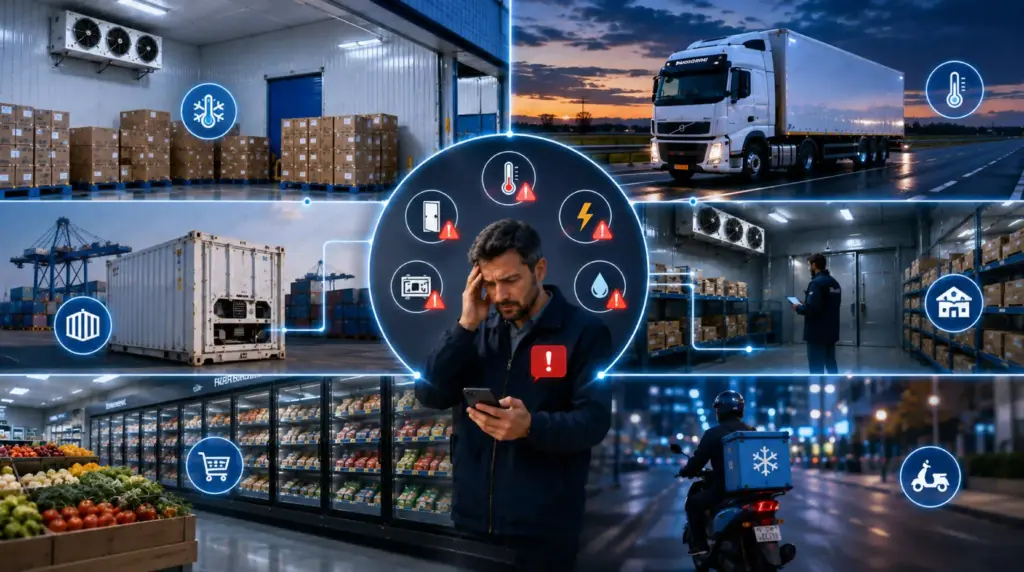
The dairy industry operates on one critical factor temperature control. From milk collection centers to processing plants, cold storage facilities, and distribution vehicles, even minor temperature fluctuations can lead to spoilage, contamination, and massive financial losses.
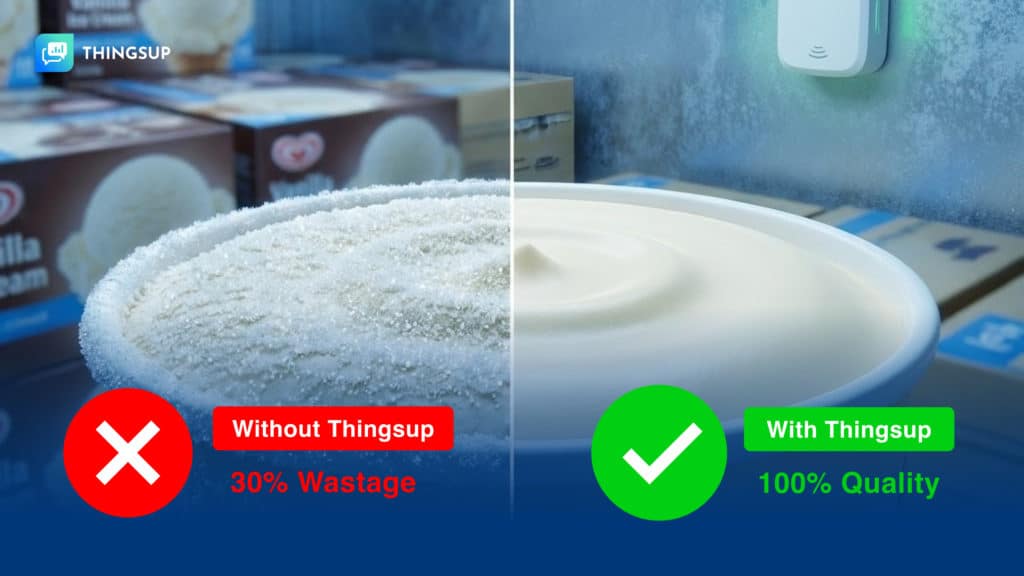
In India alone, millions of liters of milk are wasted every year due to inefficient cold chain management. This is where data-driven monitoring is transforming operations. By leveraging IoT sensors, real-time tracking, and intelligent analytics, dairy businesses can significantly reduce waste, improve product quality, and enhance profitability.
Enterprise IoT platforms like Thingsup are enabling dairy operators to shift from reactive temperature checks to real-time, connected monitoring across their entire cold chain ecosystem.
Why Waste is a Major Challenge in the Dairy Industry
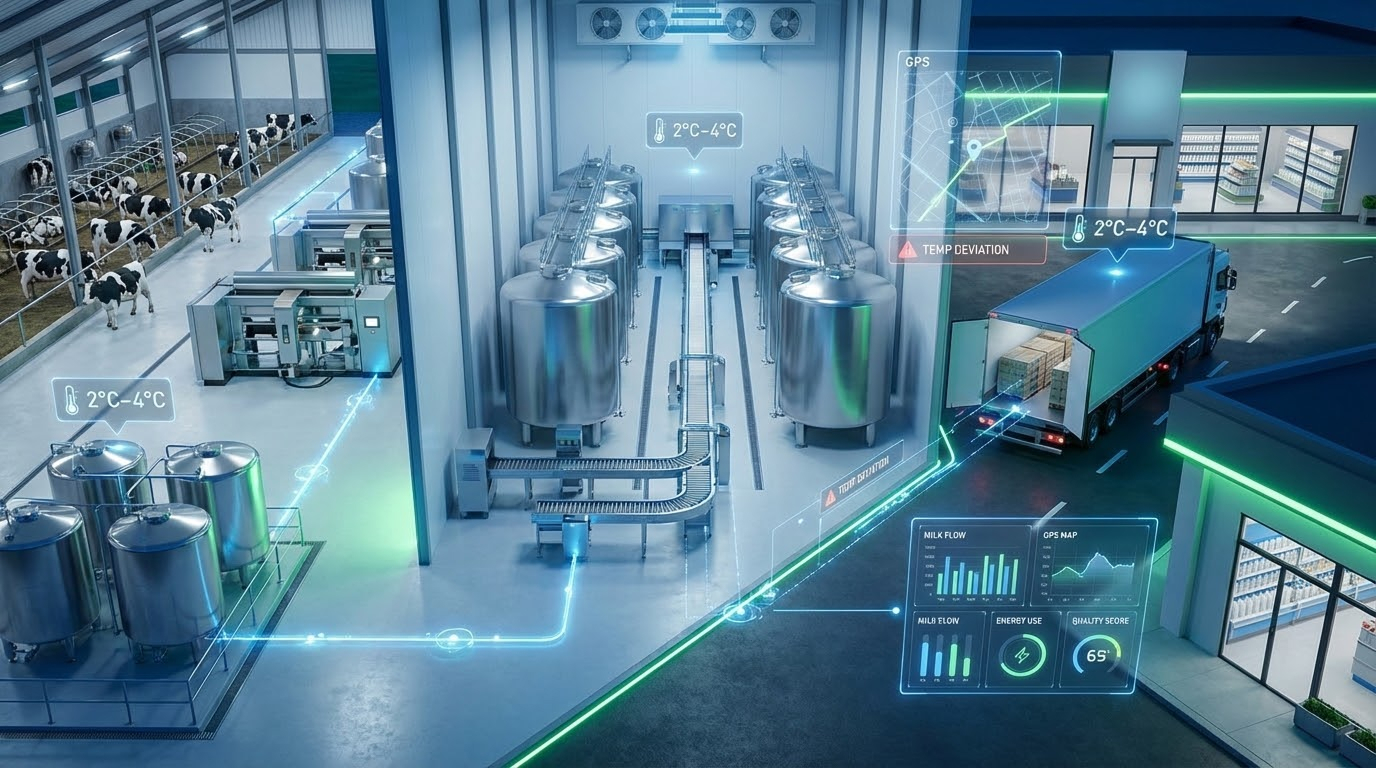
Milk is highly perishable. Once extracted, it must be stored between 2°C to 4°C. Any deviation can:
- Accelerate bacterial growth
- Reduce shelf life
- Cause souring and spoilage
- Lead to compliance failures
- Damage brand reputation
Traditional manual monitoring methods such as periodic temperature checks are reactive and prone to human error. By the time an issue is detected, the damage is already done.
Modern dairy businesses require continuous visibility not periodic inspection.
What is Data-Driven Monitoring?
Data-driven monitoring refers to the use of:
- IoT-based temperature sensors
- Humidity monitoring systems
- Door sensors for cold storage
- Real-time vehicle tracking
- Cloud dashboards with automated alerts
These systems continuously collect and analyze environmental and operational data across the dairy supply chain.
Instead of relying on assumptions, dairy operators make decisions based on live data insights transforming temperature readings into actionable intelligence.
How Data-Driven Monitoring Minimizes Waste
➤ Real-Time Temperature Visibility
Continuous monitoring ensures that any temperature deviation triggers instant alerts via mobile apps or dashboards. This allows operators to:
- Fix refrigeration issues immediately
- Prevent large-scale spoilage
- Maintain ideal storage conditions
Small corrective actions taken early prevent large losses later.
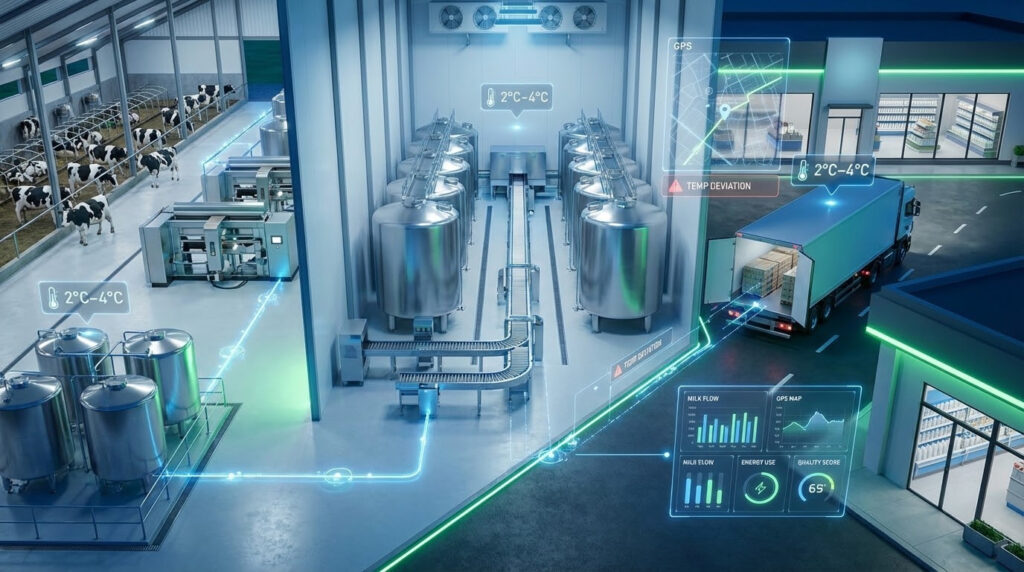
➤ Cold Chain Transparency from Farm to Distribution
Milk passes through multiple stages:
- Collection centers
- Bulk milk coolers
- Processing units
- Cold storage warehouses
- Reefer vehicles
With IoT-based tracking, businesses gain complete visibility across all these points. If temperature deviation occurs at any stage, it can be identified instantly.
Solutions powered by platforms such as Thingsup connect all these nodes into a centralized dashboard giving decision-makers a unified operational view.
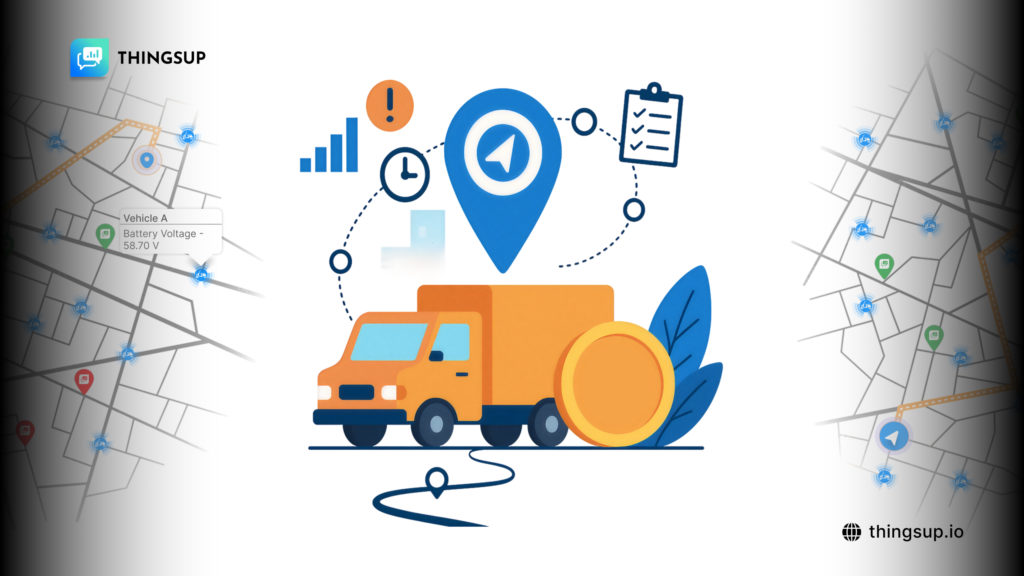
➤ Fleet Monitoring for Safe Transportation
Transportation is one of the most vulnerable stages in dairy logistics. Data-driven fleet monitoring helps by:
- Tracking vehicle location in real time
- Monitoring reefer temperature
- Detecting door openings
- Identifying route deviations
This reduces risk during transit and ensures milk reaches retailers in optimal condition.
Integrated fleet and temperature monitoring systems eliminate data silos and improve cold chain reliability.
➤ Predictive Maintenance of Equipment
Advanced analytics can identify patterns such as:
- Refrigeration units showing performance decline
- Repeated temperature spikes
- Power failure trends
Instead of waiting for a breakdown, dairy operators can perform preventive maintenance, avoiding costly product losses.
This predictive approach is becoming a core advantage of IoT-driven platforms like Thingsup, where historical data supports smarter maintenance planning.
➤ Compliance & Audit Readiness
Food safety regulations demand strict temperature logs. Automated digital records:
- Eliminate manual documentation errors
- Simplify audits
- Ensure regulatory compliance
- Improve trust with distributors and retailers
Digital audit trails strengthen operational credibility and reduce regulatory risk.
Financial Impact of Waste Reduction
Even a 2–5% reduction in milk spoilage can result in:
- Significant cost savings
- Improved profit margins
- Reduced insurance claims
- Higher customer satisfaction
Data-driven monitoring shifts dairy businesses from reactive loss management to proactive quality control.
For large-scale dairy networks, this shift can translate into millions saved annually.
The Role of IoT in Modern Dairy Operations
IoT platforms integrate:
- Temperature sensors
- Humidity sensors
- Door sensors
- Fleet tracking devices
- Cloud-based dashboards
- Mobile alert systems
Together, they create a connected ecosystem that transforms raw data into actionable insights.
Thingsup, as an enterprise-grade IoT platform, brings together devices, connectivity, and cloud intelligence enabling dairy businesses to move From Devices to Decisions.
Future of Dairy: From Monitoring to Intelligence
The next evolution is predictive analytics and AI-powered insights. With historical data trends, dairy companies can:
- Forecast spoilage risks
- Optimize delivery routes
- Improve storage utilization
- Enhance operational efficiency
The future of dairy belongs to businesses that treat data as a strategic asset rather than just a compliance requirement.
Conclusion
Waste in the dairy industry is not just a logistical issue it is a profitability challenge. Data-driven monitoring provides real-time visibility, predictive intelligence, and operational control across the entire cold chain.
By adopting IoT-based temperature and fleet monitoring systems, dairy businesses can:
- Protect product quality
- Reduce spoilage
- Improve compliance
- Strengthen brand trust
- Increase operational efficiency
In a competitive market, minimizing waste is not optional it is essential for sustainable growth.
With intelligent IoT platforms like Thingsup supporting end-to-end cold chain monitoring, dairy operators can build a resilient, data-driven ecosystem that safeguards both product quality and profitability.